The widespread presence of microplastics extends into our kitchens, particularly from common items like plastic cutting boards. A recent 2024 study alarmingly indicated that a mere square millimeter of a scratched plastic board could shed approximately 3,000 microplastic particles. Recognizing this concerning statistic, a conscious shift towards safer, non-toxic alternatives is essential for mitigating personal exposure to these pervasive contaminants. While eliminating all plastic from daily life may be impractical, prioritizing its removal from food preparation areas offers a significant and manageable step towards enhancing household health.
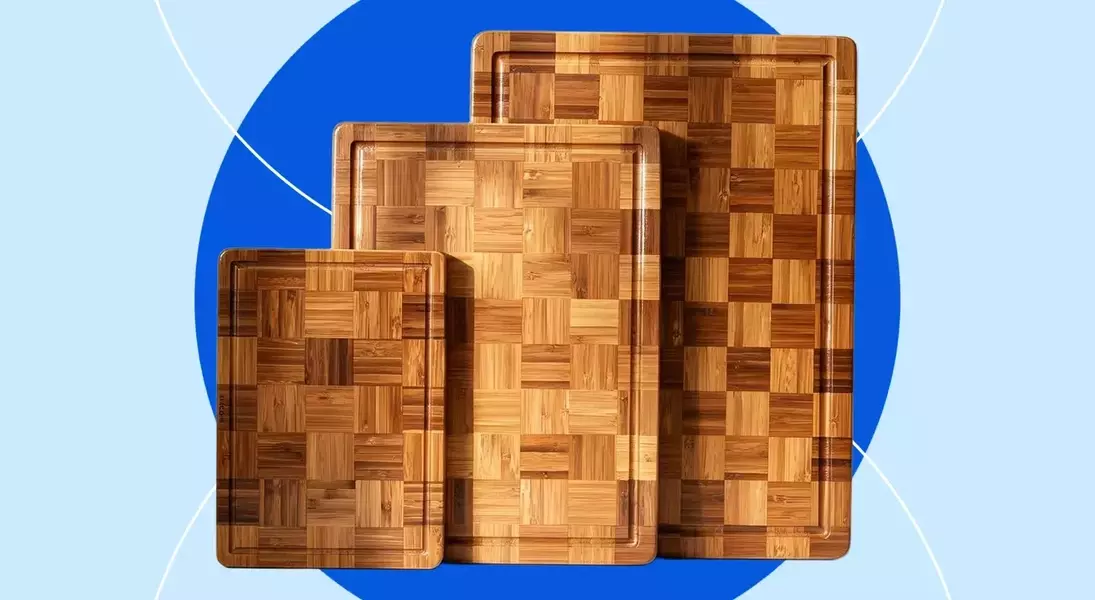
Fortunately, a variety of excellent non-plastic cutting surfaces are available, providing consumers with healthier choices. Options such as bamboo and traditional wooden boards, crafted from materials like maple or birch, offer robust and reliable platforms for food preparation. Bamboo boards are often praised for being lightweight yet durable, while high-quality wooden boards are celebrated for their substantial feel, ample workspace, and aesthetic appeal, often serving as a permanent fixture on kitchen countertops. These natural materials not only reduce microplastic release but also provide a classic, knife-friendly surface.
Beyond conventional wood, innovative materials are also emerging to address microplastic concerns. Titanium cutting boards, for instance, are gaining traction for their single-material construction, ease of cleaning, and suitability for handling raw proteins without concerns of contamination. Similarly, plant-based biocomposite boards present a modern, eco-friendly alternative, mimicking the functionality of plastic without leaching harmful microparticles, being made from natural clay minerals and biodegradable biopolymers. Even glass boards offer a durable, non-porous option, often featuring non-slip designs for safety during various slicing and dicing tasks. Embracing these diverse non-plastic solutions empowers individuals to cultivate a cleaner, more health-conscious culinary environment.
Adopting non-plastic cutting boards represents a proactive commitment to personal well-being and environmental stewardship. By choosing materials like wood, bamboo, titanium, or advanced plant-based composites, individuals contribute to a significant reduction in microplastic exposure, fostering a safer kitchen ecosystem and promoting a healthier lifestyle for themselves and their families. These mindful choices reflect an understanding of the interconnectedness between our daily habits and global ecological health, paving the way for more sustainable living practices.